December 8, 2025
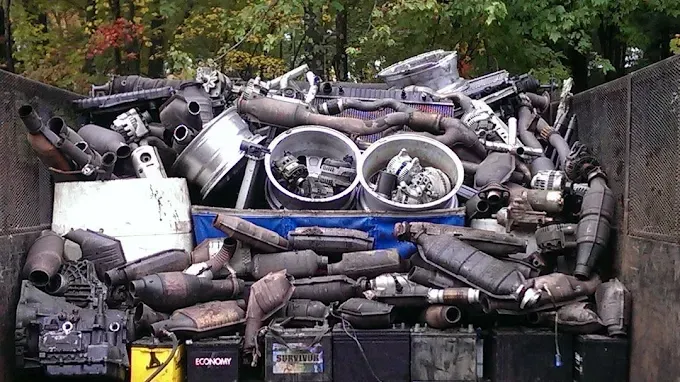
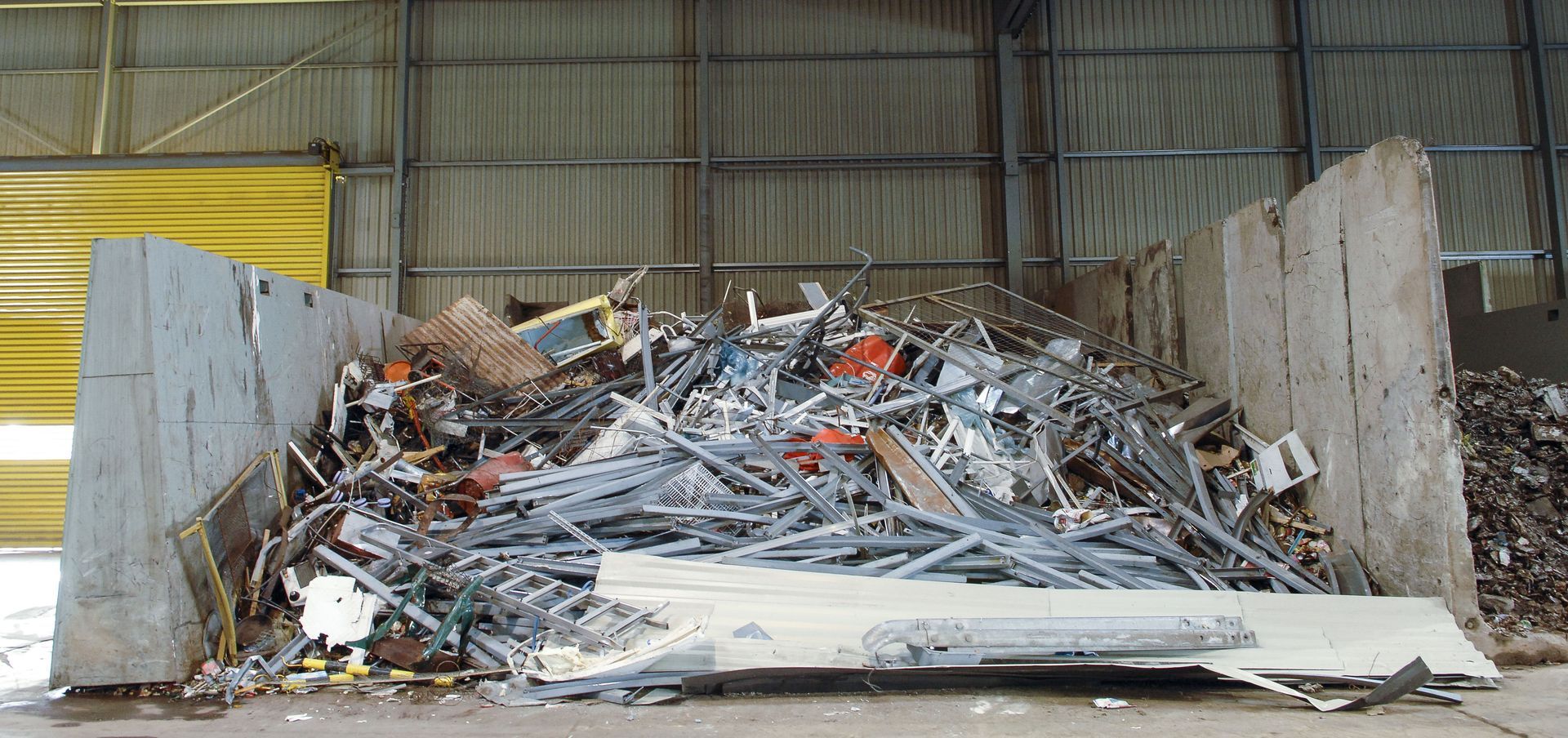
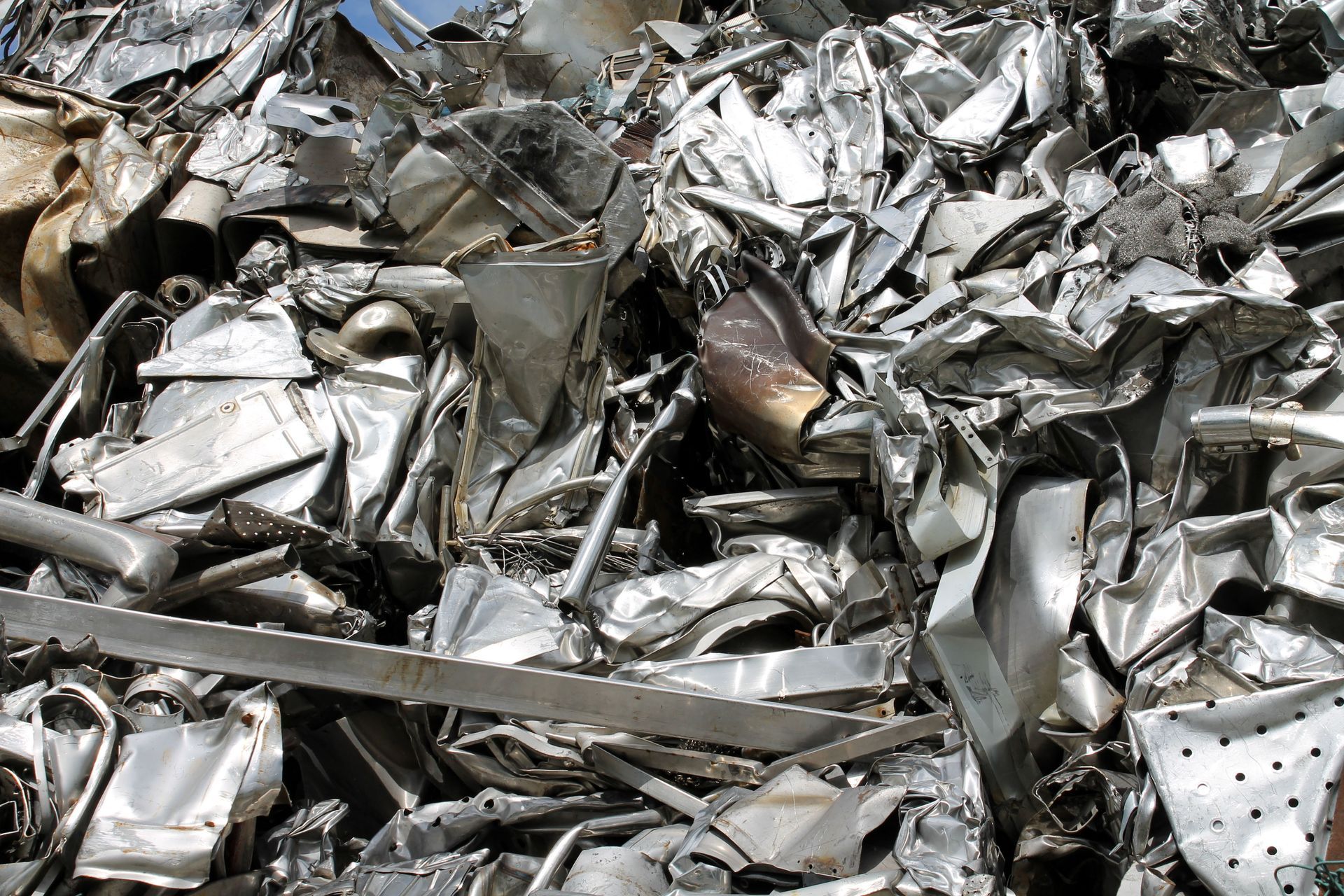
As sustainability becomes a central focus for communities and industries alike, the advantages of metal recycling grow increasingly significant. More people are recognizing that recycling scrap metal is not only a responsible environmental decision but also an economically practical one. This process has far-reaching implications for natural resource conservation, industrial efficiency, and the long-term health of our planet. By embracing metal recycling at both individual and industrial levels, society can reduce waste, support stable economic growth, and limit the environmental degradation often associated with extracting and processing raw ores. This article explores the six core benefits that make metal recycling essential: environmental preservation, economic benefits, energy efficiency, contribution to a circular economy, pollution reduction, and technological advancement. Together, these advantages showcase why metal recycling is one of the most impactful sustainability practices available today.
1. Environmental Preservation
One of the most compelling benefits of recycling scrap metal is its powerful positive effect on the environment. When metal is recycled rather than produced from raw materials, the process requires far less energy and releases fewer greenhouse gases. According to The Aluminum Association, recycled aluminum, for example, uses about 95% less energy than producing new aluminum from mined bauxite. That statistic alone reveals the environmental value of choosing recycling over extractive methods that consume far more energy and emit significantly more carbon dioxide.
Metal recycling also keeps large quantities of durable materials out of landfills. Metals can take centuries to break down, and their accumulation in landfills occupies valuable land while increasing environmental risks. Redirecting these materials into recycling facilities reduces landfill strain and protects ecosystems from potential contamination.
Additionally, recycling limits the need for environmentally damaging mining activities, which often lead to soil erosion, habitat destruction, and widespread landscape alteration. By lowering the demand for virgin ores, metal recycling supports biodiversity and reduces pressure on sensitive environments. With each piece of scrap metal that enters the recycling stream, society moves closer to a more responsible, resource-conscious future.
2. Economic Benefits
Another major benefit of recycling scrap metal lies in the economic opportunities it creates. The metal recycling sector supports thousands of jobs across collection, sorting, processing, and distribution. These roles contribute to local and national economies by generating stable employment while supporting a growing industry that continues to expand as environmental awareness increases.
Manufacturers also benefit from the cost savings associated with recycled metals. Processing recycled materials generally requires fewer resources and less energy than mining and refining new ores. Lower production costs can help businesses innovate, improve their products, and reinvest in more efficient technologies. This improved efficiency ultimately supports consumer affordability and strengthens industrial competitiveness.
Metal recycling also stimulates local economies by encouraging investment in recycling facilities, supporting nearby businesses, and fostering community resilience. In addition, revenue from exporting recycled metal contributes significantly to international trade and helps countries participate in the global supply chain. As metal recycling continues to gain importance, its economic impact is expected to grow, creating new opportunities for workers, communities, and industries worldwide.
3. Energy Efficiency
Recycling scrap metal is one of the most effective ways to promote energy efficiency across the industrial landscape. Producing metals from virgin ores requires extensive mining, ore transportation, refining, and smelting—all highly energy-intensive activities. In contrast, metal recycling dramatically reduces the energy required for production. As mentioned earlier, recycled aluminum uses up to 95% less energy than producing primary aluminum, and similar savings occur with copper, steel, and other commonly recycled metals.
Reduced energy consumption plays a critical role in lowering industrial carbon emissions, which are among the biggest contributors to climate change. Metal recycling therefore supports global sustainability goals by helping industries shift toward cleaner operations.
Ongoing innovations in recycling technology continue to improve energy efficiency. Advanced sorting systems, improved heat recovery methods, and automated recycling processes make the industry more effective while lowering the overall energy footprint. These advancements highlight why metal recycling is not only environmentally responsible but also a key driver of smarter, more sustainable energy use.
4. Contribution to the Circular Economy
Metal recycling is a cornerstone of the circular economy—a system designed to keep materials in use for as long as possible through reuse, refurbishment, and recycling. Metals are ideal for circular practices because they can be recycled repeatedly without losing their structural integrity. By continually reintroducing recycled metals into the production cycle, industries reduce the need for finite raw materials and extend the useful life of existing resources.
This creates production models that minimize waste and maximize efficiency. When consumers choose products made with recycled content, they reinforce demand for sustainable materials and inspire manufacturers to design products that are easier to recycle. This, in turn, supports more responsible manufacturing and reduces the environmental impact of production.
Robust materials recovery systems also thrive on metal recycling, ensuring that scrap materials are properly collected, sorted, and reintegrated into manufacturing. As more communities adopt recycling-friendly policies and invest in better recovery infrastructure, the circular economy grows stronger and more effective at conserving resources.
5. Reduction in Pollution
Reducing pollution is another significant benefit of recycling scrap metal. Traditional metal production methods, particularly smelting and refining, release pollutants into the air, including sulfur dioxide, particulate matter, and other toxic emissions. By using recycled materials, industries can lower the frequency and intensity of these polluting processes. Cleaner air improves public health outcomes and contributes to healthier communities.
Metal recycling also helps protect water quality. Mining often involves chemicals and by-products that can enter rivers, lakes, and groundwater systems, posing risks to aquatic life and drinking water supplies. With less mining required, the likelihood of water contamination decreases.
Soil health also benefits from reduced mining activity. Mining disrupts land surfaces, strips away topsoil, and leaves behind contaminated or infertile soil. By reducing the need for extraction, metal recycling helps preserve soil quality and prevents long-term environmental degradation. Combined, these pollution-related benefits show that metal recycling supports cleaner air, cleaner water, healthier soil, and improved public health, reinforcing its essential role in sustainable development.
6. Technological Advancements
The final major benefit of recycling scrap metal lies in the technological innovations the industry continues to generate. Rapid advancements in metal separation techniques, such as magnetic separators, eddy current systems, and AI-assisted sorting technologies, make the recycling process faster, more accurate, and more cost-effective. These tools help ensure that recycled metals meet high quality standards, increasing their value to manufacturers and supporting the overall viability of metal recycling markets.
Automation and robotics are also transforming the industry. Automated sorting lines reduce labor-intensive tasks, improve safety, and increase production capacity. Robotics can precisely identify and sort different metal types at high speeds, allowing recycling facilities to operate with greater efficiency.
Emerging technologies continue to enhance metal recovery yields, ensuring that more material is captured and reused instead of being lost as waste. As the global demand for sustainable materials grows, these innovations will become even more essential in supporting large-scale metal recycling. Future trends indicate expanding digital tracking systems, greater use of data analytics, and increased international collaboration—all of which will shape the next generation of metal recycling systems.
Recycling scrap metal offers powerful benefits that support environmental preservation, economic growth, energy efficiency, circular economy principles, pollution reduction, and technological innovation. Each of these advantages highlights why metal recycling is one of the most important sustainability practices for communities, industries, and policymakers. By embracing metal recycling today, society can protect natural resources, reduce environmental harm, and build a healthier and more resilient world for future generations. To take the next step toward responsible resource management, contact Synergy Metals Recycling today.