October 7, 2026
Metal recycling is a fundamental practice that supports our modern world in countless ways. By transforming discarded items into valuable resources, this process helps communities manage waste while preserving the natural environment for future generations. Many people encounter everyday items like beverage cans, structural beams, or automotive parts without realizing the incredible journey these materials have undertaken to reach their current state. Participating in this continuous cycle of reuse prevents useful materials from lingering in landfills indefinitely. When you partner with reputable metal recycling services, you contribute to a large-scale effort that prioritizes sustainability and resource conservation. Individuals and commercial facilities alike have the power to make a substantial difference merely by deciding to recycle rather than discard. The journey of transforming scrap into something entirely new is fascinating, complex, and deeply important to our global ecosystem. Exploring the intricate steps involved in this undertaking highlights exactly why dedicating time and effort to proper disposal methods is an endeavor well worth pursuing. It requires dedication, but the ecological rewards are unmatched.
Understanding the Initial Collection Phase
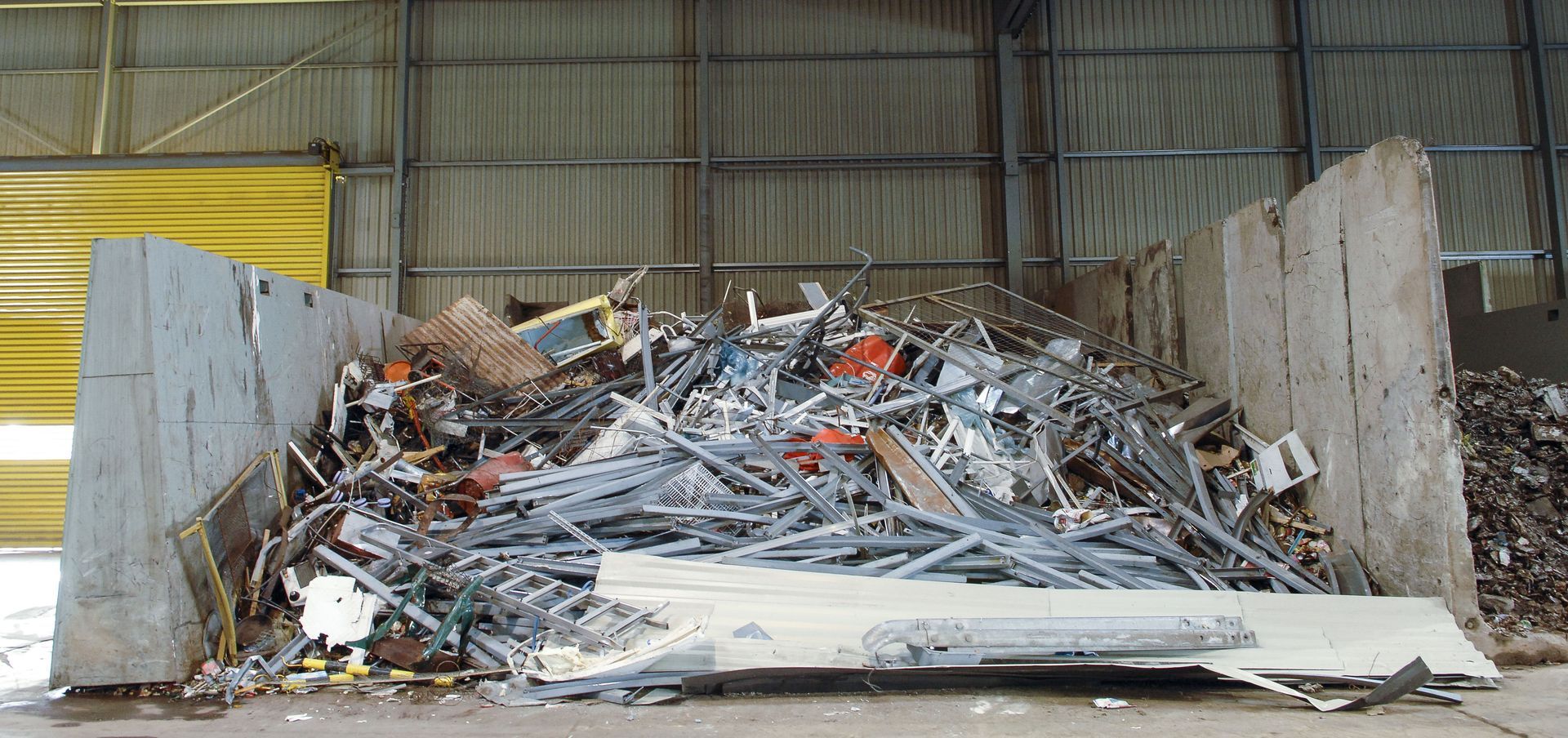
The journey always begins with the vital step of gathering discarded materials from various sources. Communities, construction sites, and manufacturing plants all produce a steady stream of leftover scrap that requires proper management. Relying on professional metal recycling services ensures that these materials are efficiently gathered and transported to specialized facilities rather than being left to rust in junkyards or residential bins. Once the scrap arrives at a designated facility, workers and automated machines begin the meticulous task of sorting everything into distinct categories. Different types of metals possess completely unique properties, meaning they must be carefully separated to maintain the highest possible quality for future manufacturing. Magnets are frequently utilized to pull ferrous materials away from non-ferrous ones, creating organized piles that streamline the rest of the operation. Color, weight, and visual characteristics also help specialists identify the exact composition of every item that enters the sorting area. Careful sorting is absolutely crucial because mixing incompatible materials can compromise the integrity of the final recycled product. By dedicating extensive attention to this preliminary stage, facilities guarantee that the subsequent steps proceed without unnecessary complications or delays. Taking the time to properly categorize every piece prevents widespread issues later.
Processing and Shredding the Gathered Scrap
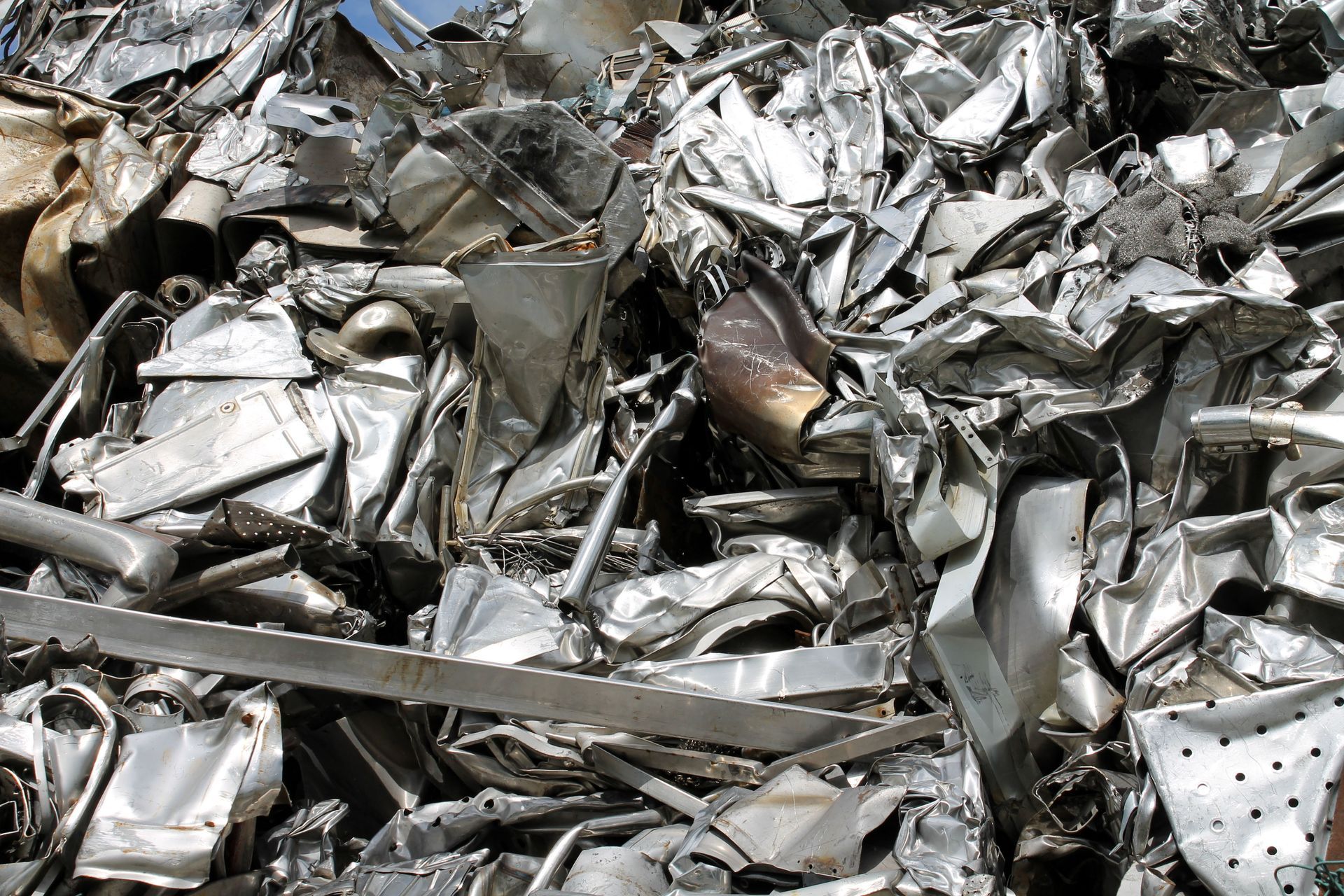
After the materials have been thoroughly separated and categorized, they move on to the processing and shredding phase. Large, bulky pieces of scrap are incredibly difficult to melt down efficiently, so they must be broken apart into much smaller, more manageable fragments. Heavy-duty shredding machines apply immense force to crush and tear the items apart, significantly increasing the overall surface area of the metal. This increased surface area allows the materials to melt much faster and more uniformly later on, saving a tremendous amount of time and resources. As the shredders tear the items into tiny pieces, any remaining non-metal components like plastic, glass, or rubber are further exposed and systematically removed. The ultimate goal of this stage is to produce a highly concentrated, pure stream of fragmented scrap that is entirely prepared for high-temperature transformation. Engaging with specialized metal recycling services guarantees that this heavy machinery is operated safely and effectively by trained professionals. Without this critical processing stage, facilities would struggle to handle massive industrial components, and the entire system would slow down significantly. Shredding effectively bridges the gap between raw, bulky scrap and refined, ready-to-melt fragments. It is a vital transitional step that makes large-scale operations possible.
Melting and Purifying the Separated Materials
The newly shredded fragments are subsequently transferred into massive, specially designed furnaces where extreme heat is applied to reduce the solid pieces into a molten liquid state. Each specific type of material requires a uniquely calibrated furnace capable of reaching the precise temperature needed for optimal melting. While this high-temperature process certainly demands a considerable amount of energy, it still represents a massive conservation of resources compared to extracting virgin ore from the earth. According to The Aluminum Association, recycled aluminum uses about 95% less energy than making new (primary) aluminum. This singular detail perfectly illustrates just how advantageous the practice truly is for the environment. Once the materials reach a completely molten state, purification processes begin to eliminate any microscopic impurities that might have survived the initial sorting and shredding stages. Specialists often introduce specific chemical compounds or employ advanced magnetic fields to draw out unwanted elements, ensuring the final liquid is remarkably pure. Utilizing dedicated metal recycling services ensures that the structural integrity of the material is completely restored during this purification process, allowing it to perform perfectly in future applications. The result is a high-quality molten base ready to be reshaped into brand-new products.
Solidifying and Distributing the New Resources
Following the thorough purification process, the molten liquid is carefully poured into molds and allowed to cool until it becomes completely solid once again. This cooling phase transforms the raw liquid into standardized shapes such as ingots, bars, or massive sheets, which are highly sought after by manufacturing industries worldwide. The specific shape chosen largely depends on how the material will ultimately be utilized in its next life cycle. Once the newly formed pieces have completely cooled and solidified, they are officially ready to be transported directly to factories, construction companies, and commercial producers. These pristine ingots are indistinguishable from newly mined resources in terms of durability, strength, and overall quality. By consistently providing a reliable stream of raw materials, metal recycling services actively support global supply chains and prevent production delays across countless industries. Manufacturers purchase these recycled ingots to create everything from modern architectural frameworks and heavy machinery to everyday household appliances and electronic devices. The seamless transition from discarded scrap to a valuable manufacturing resource perfectly demonstrates the efficiency of the modern closed-loop supply system. Distributing these solid resources allows global commerce to thrive without constantly depleting the earth.
Exploring the Vast Environmental Advantages
Beyond the obvious industrial benefits, the practice offers profound advantages for the natural environment. Relying on recycled materials drastically reduces the need to conduct destructive mining operations that disturb local ecosystems, displace wildlife habitats, and create severe soil erosion. By leaving virgin ores untouched beneath the earth's surface, we actively preserve our planet's delicate ecological balance for future generations to enjoy. Furthermore, the immense reduction in overall energy consumption directly translates to a significant decrease in harmful greenhouse gas emissions released into the atmosphere. Limiting these emissions is a crucial component of combating global climate change and maintaining clean, breathable air in local communities. Utilizing reliable metal recycling services also diverts massive quantities of bulky waste away from overflowing landfills, extending the lifespan of these waste management sites and preventing hazardous runoff from contaminating local groundwater supplies. The sheer scale of these ecological benefits cannot be overstated. Every single piece of scrap that reenters the production cycle represents a tangible victory for environmental conservation. Embracing this practice on a widespread level is undeniably one of the most effective strategies society has for fostering a truly sustainable global economy. It is a necessary pillar of modern conservation efforts.
The entire sequence from initial collection to final solidification is a marvel of modern engineering and a testament to the importance of sustainable resource management. Participating in this cycle provides undeniable benefits, preserving the environment while bolstering the economy by supplying vital materials to manufacturers everywhere. Taking proactive steps to ensure your unwanted scrap is handled properly is an easy yet profoundly impactful choice that benefits the entire community on a large scale. Whether you are managing industrial waste or simply cleaning out residential clutter, prioritizing responsible disposal methods is always the right decision. Call Synergy Metals Recycling today to learn more about how expert metal recycling services can assist with your specific disposal needs.