April 2, 2026
In today's environmentally conscious world, metal recycling stands as a crucial practice that yields tremendous benefits. Recycling metals reduces the need for mining, conserves resources, and significantly cuts down carbon emissions. Understanding the intricacies involved in sorting different types of metals is key to enhancing both environmental and economic benefits. By mastering metal sorting and working with trusted scrap metal services, we can support efficient recycling processes and contribute to sustainable resource management. This article explores the intricate art of metal sorting, providing a comprehensive guide to aid in this pivotal environmental endeavor.
Understanding Different Types of Metals
1.1 Ferrous vs Non-Ferrous Metals
Metals are broadly categorized into two types: ferrous and non-ferrous. Ferrous metals contain iron and are typically magnetic, which makes them relatively easy to separate with magnets. Common ferrous metals include steel and cast iron, renowned for their strength and durability. In contrast, non-ferrous metals such as aluminum, copper, and brass do not contain iron, making them non-magnetic and often more resistant to corrosion. Properly identifying and sorting these metals is crucial for efficient recycling and recovering maximum value from scrap materials, especially when using professional scrap metal services.
1.2 Common Types of Ferrous Metals
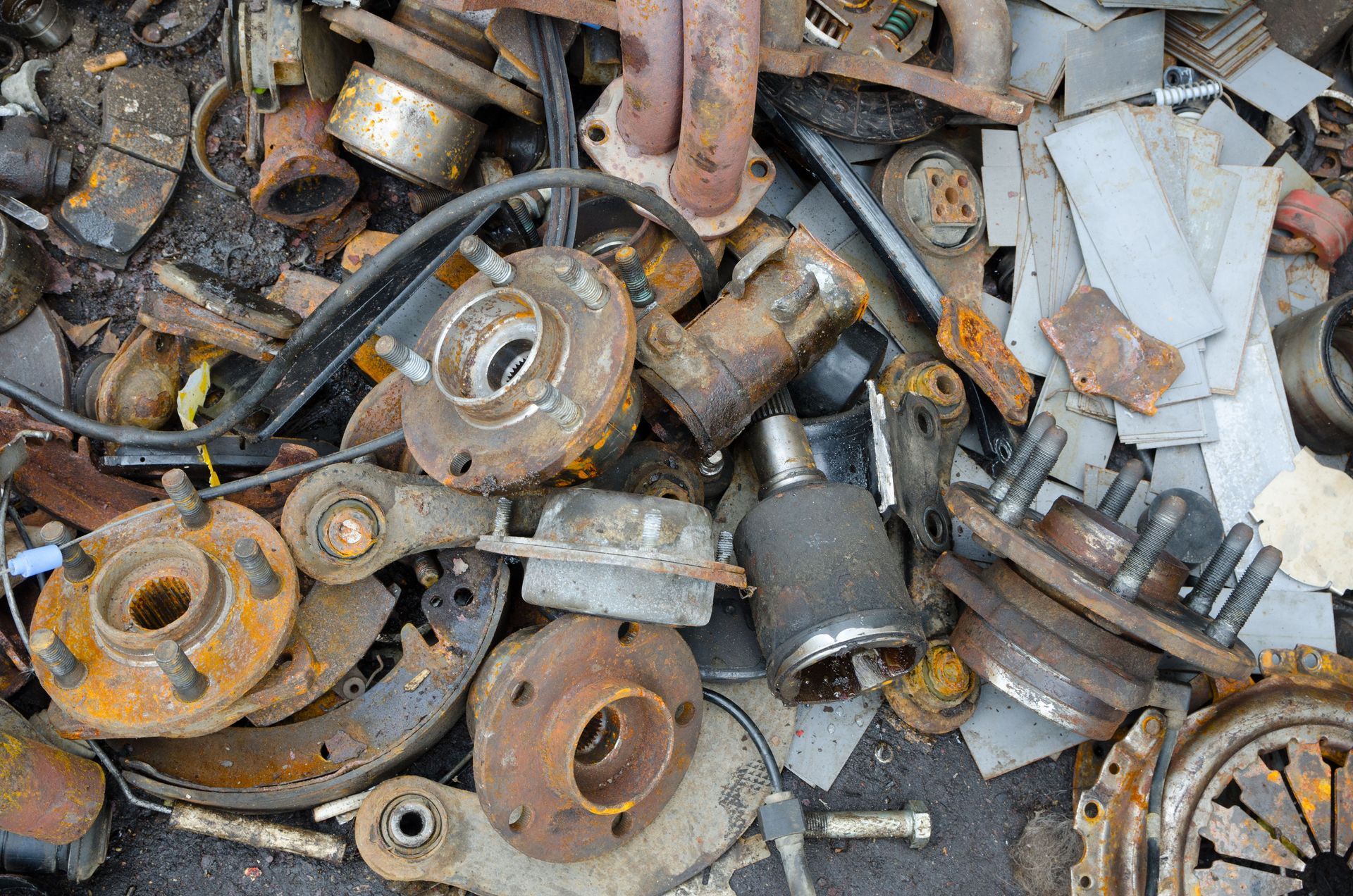
Ferrous metals play a significant role in the industrial sector due to their application versatility. Steel, a prevalent ferrous metal, is used extensively in construction, manufacturing, and transportation. Another common ferrous metal is cast iron, known for its toughness and resistance to wear, making it ideal for pipes and machinery. The recycling of these metals is particularly integral, as the U.S. consumed about 63 million tons of ferrous scrap domestically in 2024. Properly sorting and recycling ferrous metals can significantly reduce the environmental impact of metal production and support sustainable industrial practices, which is why many businesses rely on scrap metal services.
1.3 Common Types of Non-Ferrous Metals
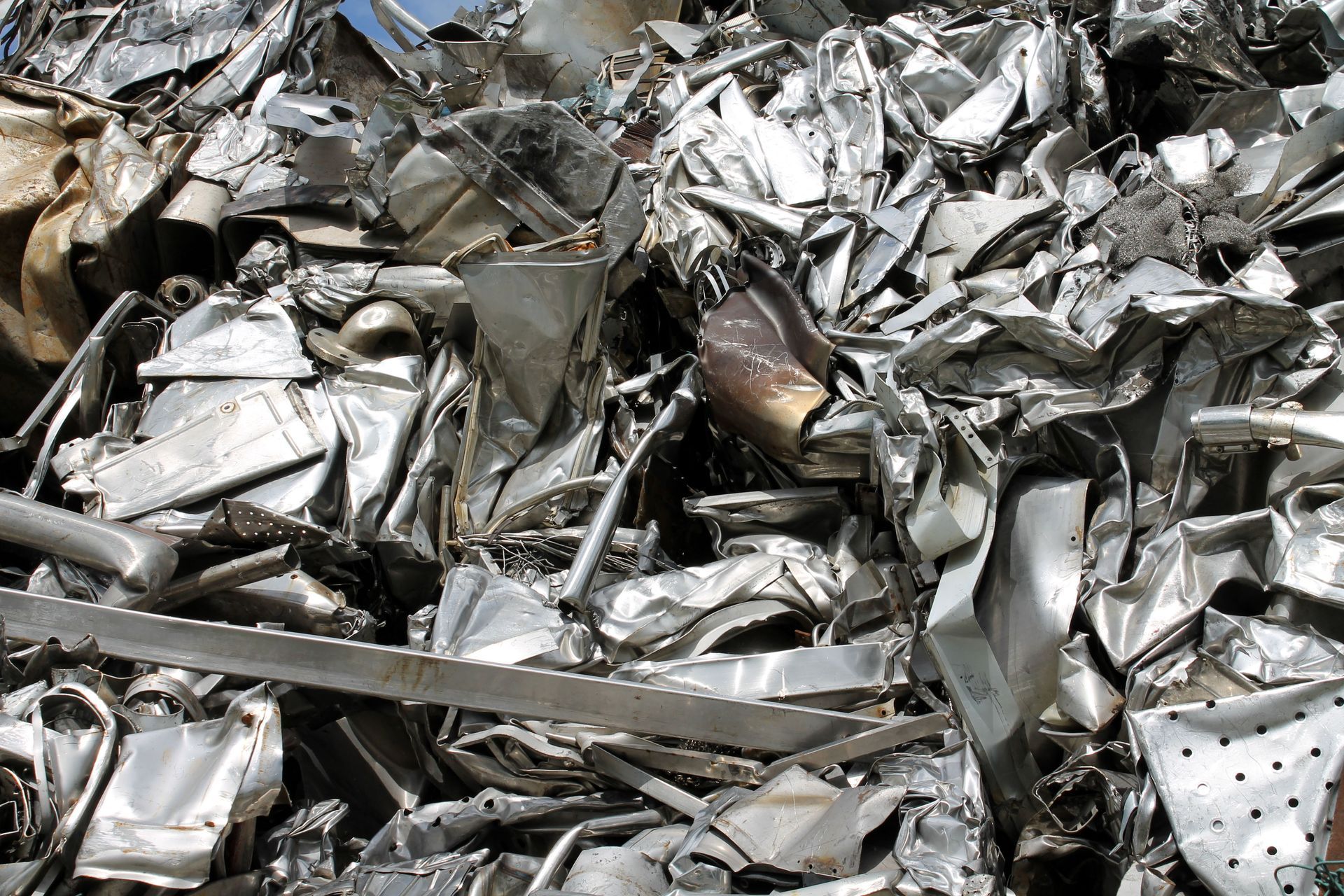
Non-ferrous metals, while less abundant than ferrous metals, are equally vital in industrial and consumer applications. Aluminum, prized for its lightweight and anti-corrosive properties, is widely used in packaging, aerospace, and automotive industries. Copper, with excellent electrical conductivity, is essential in electrical wiring and plumbing. Other notable non-ferrous metals include lead, nickel, and zinc, each offering unique properties that make them indispensable in various applications. Sorting non-ferrous metals accurately is crucial to maximizing their recyclability, reducing the environmental impact associated with their extraction and processing, and improving the value returned through scrap metal services.
1.4 Identifying Metals by Physical Properties
Identifying metals by their physical properties is an initial step in the sorting process. Visual inspection can provide clues; for instance, the color and luster of metals can indicate their type. Weight and density are also telling characteristics, with non-ferrous metals typically being lighter than ferrous metals. Conductivity tests can further aid in distinguishing metals, as non-ferrous ones often exhibit higher electrical conductivity than ferrous metals. These simple tests are valuable tools in the preliminary sorting of metals, laying the groundwork for more sophisticated identification techniques often used by scrap metal services.
1.5 Using Tools for Metal Identification
While physical observations are useful, tools and equipment enhance accuracy in metal identification. Magnets are invaluable, as they quickly differentiate ferrous metals from non-ferrous ones. Additionally, handheld XRF analyzers offer precise elemental analysis, allowing for the total composition breakdown of the metal being recycled. This data is crucial for verification so the correct sorting category is chosen. Utilizing such tools optimizes the sorting process, improves recycling efficiency, and helps maintain the purity of recovered materials handled by scrap metal services.
Benefits of Proper Metal Sorting
2.1 Environmental Advantages
Proper sorting of metals brings evident environmental advantages. By making sure that metals are correctly categorized, recycling facilities can maximize the amount of metal recovered, reducing the need for raw material extraction. This process directly contributes to lowering environmental degradation and conserving natural habitats. Moreover, recycling metals consumes significantly less energy compared to producing new metals, resulting in decreased greenhouse gas emissions. In essence, proper metal sorting supports sustainable resource management and environmental preservation, which is a major goal of modern scrap metal services.
2.2 Economic Impact
The economic implications of effective metal sorting are profound. Metals that are sorted with precision can be processed more efficiently in recycling facilities, reducing operational costs and saving valuable resources. When recycling operations are streamlined, higher-quality recycled metal is obtained, which can be sold back into the market at a competitive price. This process not only generates significant economic returns but also stimulates job creation within the recycling industry. Consequently, the economic benefits realized from proper metal sorting are substantial and impactful on a larger scale, particularly for companies offering scrap metal services.
2.3 Reducing Contamination in Recycling Streams
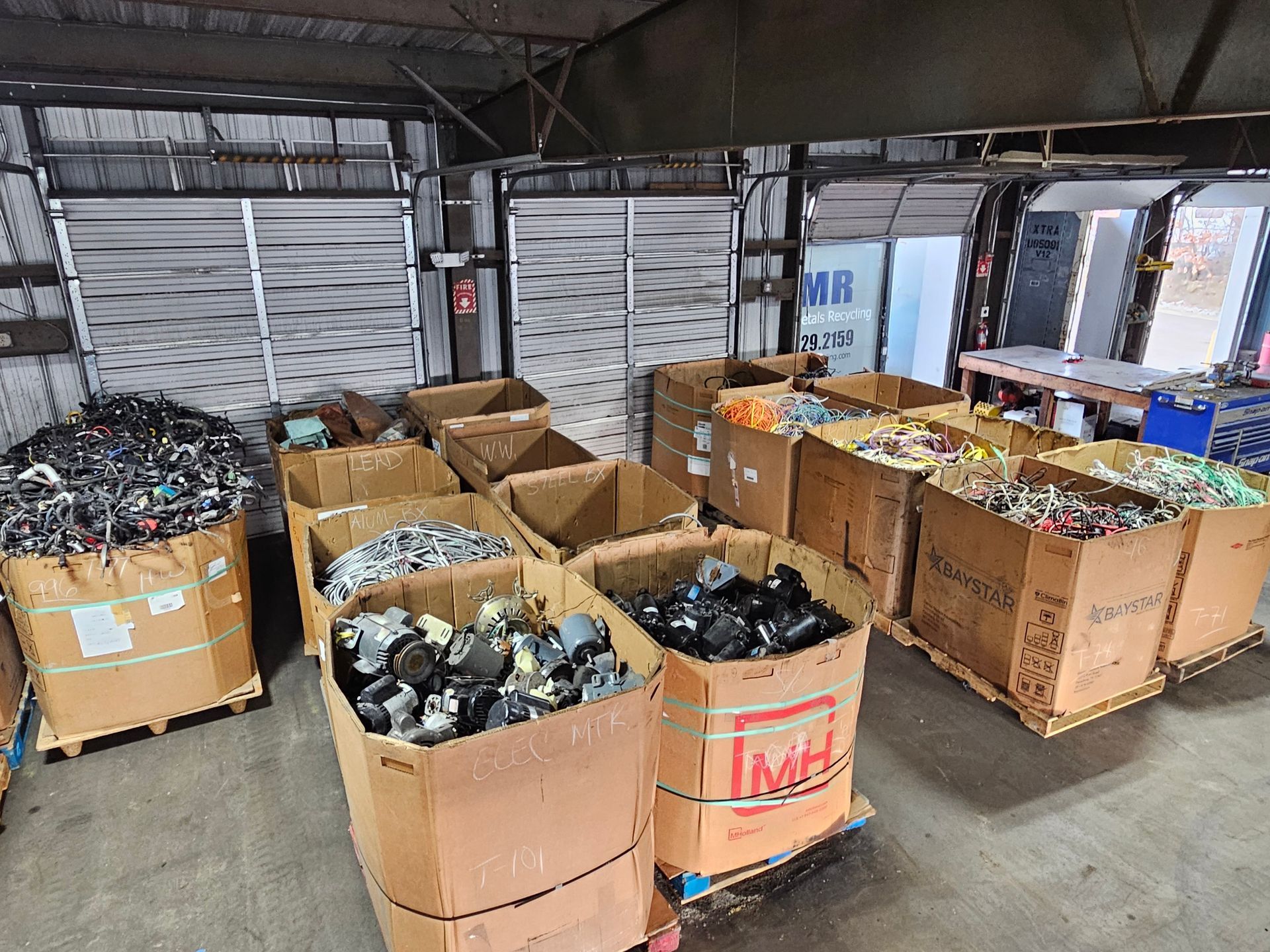
One of the critical challenges in recycling is contamination, which can severely degrade the quality of recycled materials. By implementing proper sorting techniques, contamination risks are minimized, allowing both ferrous and non-ferrous metals to maintain high purity levels. Accurate sorting prevents mixing incompatible materials, which could compromise the integrity of the recyclable output. Moreover, it facilitates smoother processing at recycling facilities, enhancing the overall quality of the recycled products. This practice underscores the importance of stringent sorting protocols used throughout scrap metal services.
2.4 Enhancing Efficiency in Recycling Facilities
Efficient metal sorting is directly correlated with the operational success of recycling facilities. Properly sorted scrap metals streamline processing, as facilities can utilize distinct methodologies tailored to each metal’s specific properties, optimizing throughput and reducing energy consumption. When efficiency is elevated, facilities can process greater volumes more swiftly, increasing overall productivity and profitability. Furthermore, sorted metals simplify logistics, as uniform batches allow for clearer categorization and distribution. Enhanced efficiency within facilities underscores the critical role of effective metal sorting in successful scrap metal services.
2.5 Contribution to Sustainable Practices
Effective metal sorting contributes significantly to broader sustainability goals. With efficient sorting, the recycling loop tightens, feeding back high-quality metals into production lines and reducing dependency on virgin materials. This practice promotes a circular economy model, emphasizing resource reuse, reducing waste, and fostering environmental stewardship. By prioritizing proper sorting, individuals and industries can strengthen their commitment to sustainable practices, aligning efforts with global initiatives aimed at minimizing environmental impact. The advancement of sustainable industry standards hinges on meticulous sorting, proving indispensable in responsible scrap metal services.
Ferrous metal recycling plays a major role in supporting sustainable manufacturing and construction industries across the United States. Materials such as steel and cast iron can be recycled repeatedly without losing their structural integrity, making them some of the most valuable metals in the recycling stream. According to Recycling Today, the U.S. consumed about 63 million tons of ferrous (iron & steel) scrap domestically in 2024, highlighting the significant demand for properly sorted metal. This level of consumption demonstrates how essential recycling systems are to meeting industrial needs while reducing reliance on newly mined materials. By sorting and recycling ferrous metals effectively, individuals and businesses contribute to a more efficient and environmentally responsible materials cycle.
The importance of proper metal sorting cannot be overstated, as it offers numerous environmental, economic, and operational benefits. By understanding the different types of metals, utilizing effective tools and equipment, and following strategic sorting processes, we can improve the quality and efficiency of recycling initiatives. Addressing common challenges and implementing best practices sustain a resilient recycling industry aligned with sustainability goals. As individuals and industries, embracing proper metal sorting practices supports the long-term viability of recycling efforts and helps scrap metal services contribute positively to a more resource-conscious future. Contact Synergy Metals Recycling today to learn more.